
The Power of Borrowed Belief: How Great Leaders Grow Themselves and Others
Think about someone who made a difference in your life or career.
Maybe they saw something in you that you couldn't yet see in yourself.
Maybe they challenged you to grow.
Maybe they said your name in a room you weren't in or gave you an opportunity before you were entirely sure you were ready for it.
What did they do?
I've been thinking a lot about this question lately, not just about the people who have shaped my own life and career, but about the ways we shape other people's lives, often without realizing it. I've noticed three powerful ways belief can show up in a relationship.
I think of them as a Compass, a Challenger, and a Champion.
These aren't necessarily three different kinds of people. The same person might play different roles at different points in our lives. They're three ways we can borrow belief from other people and let them borrow ours.

1. A Compass shows you what's possible.
Early in my career, I met a woman named Jessica who worked in corporate wellness.
I had studied psychology. I was interested in health and human behavior. But until I met Jessica, I didn't even know there was a career that brought those things together.
I remember thinking:
Wait. That's a job?
Jessica didn't sit me down and tell me what to do with my life. She didn't need to. Seeing what she was doing expanded what I could imagine doing myself.
Sometimes what looks like a confidence problem is actually an exposure problem.
You can't pursue a possibility you don't know exists.
That's what a Compass can give us: a new path or a wider field of possibility. It might even be someone you’ve never met like an author or public figure whose path inspires you. The good news is you don't have to wait for one to find you.
Find your Compasses:
Observe: Who is doing something you want to do?
Connect: Who could you learn from directly?
Ask: What possibilities do you see for me that I might not yet see for myself?
Your developmental world can be much bigger than your org chart.
And you can be a Compass, too.
Sometimes being a Compass is as simple as seeing something in someone and saying it out loud:
Have you ever considered…?
I see something in you that…
I could see you being good at…
You may have no idea what possibility those words could open for someone.

2. A Challenger sees more in you and asks more of you.
Several years ago, I had the opportunity to give a TEDx Talk. It was something I'd wanted for decades. I prepared for months, scripting every word, rehearsing it over and over to get it in my bones.
And as the talk got closer, I had this nagging feeling that something wasn't right. It didn't sound like me. It sounded like a robotic version of me. I was losing my conversational, authentic style.
There were people in my life who knew me well enough to tell me the truth, people I could’ve run the talk by for feedback. But I deliberately avoided them because I was afraid they'd confirm what I already suspected and that it was too late to do anything about it.
Two months after the talk, the video showed up in my inbox.
Within 30 seconds of watching it, my heart sank, and I felt like I couldn’t breathe, as I watched a robotic, overly scripted version of myself.
I've never publicly shared that TEDx Talk, which is ironic given the title: How Self-Silencing Is Sabotaging You.
A couple years later, I found myself in an eerily similar situation. I was preparing for a speaker showcase. Think of it like a mini TED Talk: 12 minutes to a room full of meeting planners.
The day before, my speaking coach, Vika, listened to a recording of my speech and told me it sounded superficial. She challenged me to speak with conviction that wasn't forced, but true.
She was right. But I had less than 24 hours before I was supposed to deliver that speech.
That night, I sat outside the hotel with my friend Ryan, who was also speaking at the event. I told him I was afraid I was about to repeat the TED Talk all over again. Ryan listened and eventually said:
“Rip it up.”
Seven pages. Two months of rehearsing. Rip it up?? And do what? Start over at 9pm the night before?
But the fear of delivering another robotic talk was enough to get me to do what he said. I ripped up the speech.
I rewrote it the next morning and rehearsed for two and a half hours to remember as much of it as I could. It wasn't the best speech I've ever given, but it was honest. And it was me. You can find that speech below.
I had people willing to tell me the truth both times.
The difference was whether I was willing to hear it.
That's an important part of being challenged that we don't talk about enough.
We can surround ourselves with wise, honest people and still make it nearly impossible for them to help us if we're constantly defending, explaining, justifying, or proving why we're right.
One of the most useful responses I've learned when someone offers feedback is incredibly simple:
“Tell me more.”
Receiving feedback doesn't mean accepting every piece of feedback as truth. It means staying curious long enough to find out whether there's truth in it.
So ask yourself:
Who knows me well enough to see me clearly, cares enough to want me to grow, and has enough courage to tell me the truth?
And then invite them in:
What strength do you see in me that I might be underestimating?
What's one thing I'm not seeing that's getting in my way?
If you're challenging someone else, there's another question worth asking:
Have I communicated my belief as clearly as I've communicated the expectation?
Because the best Challengers don't just ask more of us. They make it clear that they believe we're capable of more.

3. A Champion has your back and opens doors.
When I was 25 years old, a client named Julie asked me to guest lecture in a graduate-level human resources class on the topic of corporate wellness.
There was only one problem.
I didn't have a graduate degree. Three years earlier, I'd been sitting in those exact same seats as an undergrad. I had been working in my field for all of two years, so I was hardly an expert, but Julie thought I could do it.
And she offered to pay me $75, which, on my roughly $40,000 salary at the time, was basically a fancy dinner at Outback Steakhouse.
So I said yes.
I didn't know it at the time, but Julie had opened a door I didn't even know was there.
Seventeen years later, I was the opening keynote an HR conference in New Jersey…where Julie was the closing keynote. During my speech, I got to tell the audience about the woman who gave me my first opportunity to speak and then walk into the back of the room and give Julie her flowers in front of her peers.
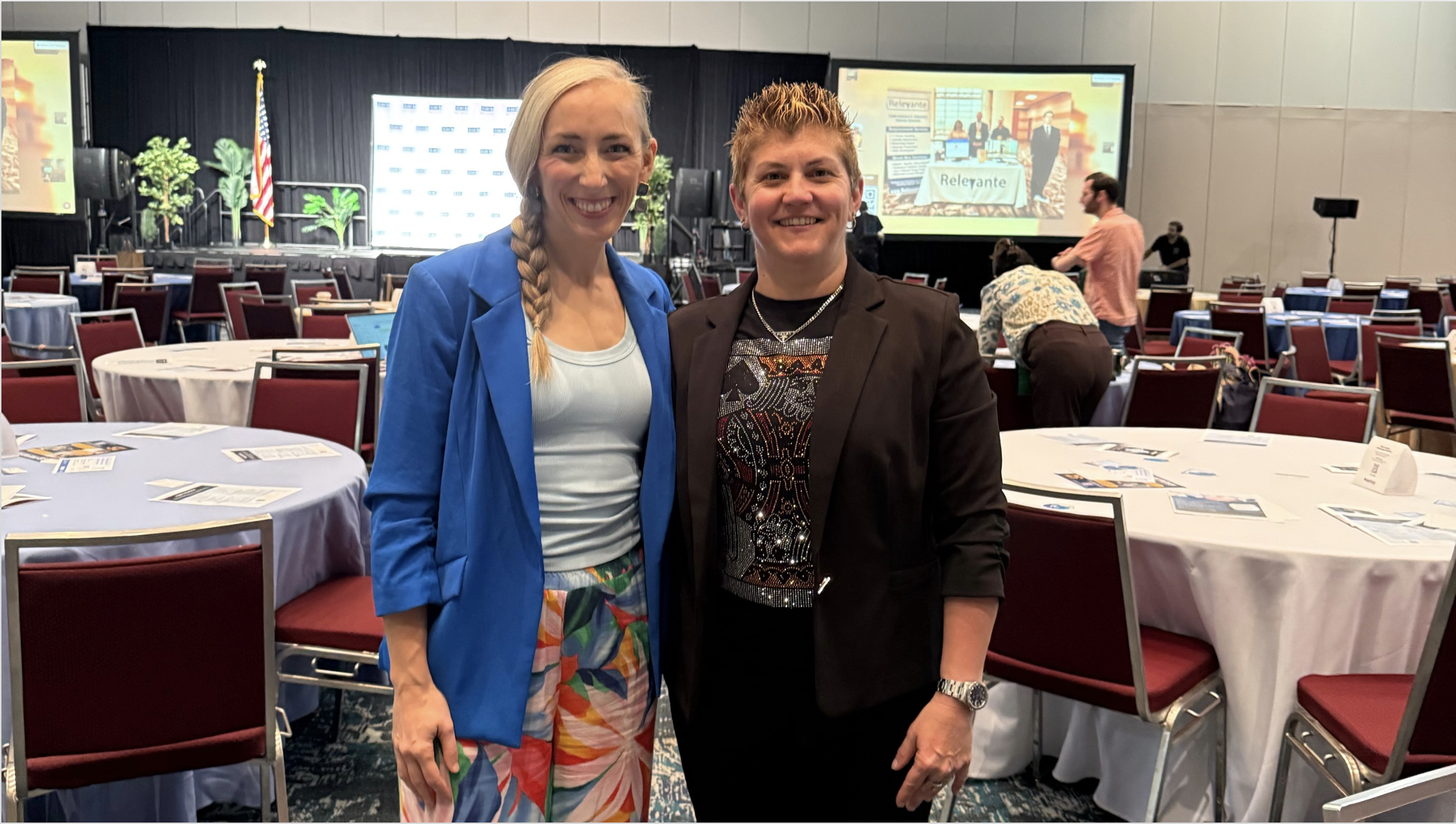
Julie didn't just give me one opportunity. For years, she's vouched for me, recommended me, introduced me to people, and spoken highly of me in rooms I wasn't in.
That's what Champions do. They don't just think highly of us.
They do something with their belief in us.
Sometimes they have our back when we're in the room. They encourage us, remind us what they see in us, and help us keep going.
And sometimes they have our back when we're not in the room. They say our name. They recommend us. They make the introduction. They open the door.
You may not have a promotion to give someone.
But you probably have a door you can help open.
Make the introduction. Recommend them. Nominate them. Invite them.
Say their name in a room they're not in.
Who do you need and who needs you?
One of the things I've realized as I've looked back at my own life is just how much of it has been shaped by other people's belief.
People who showed me possibilities I couldn't see. People who told me the truth I didn't necessarily want to hear. People who gave me opportunities before I was completely sure I was ready for them.
Sometimes we have to borrow other people's belief in us before we fully believe in ourselves.
But leadership asks something else of us, too.
To pay attention to where our belief might make a difference for someone else.
So as you leave this, I hope you'll think in both directions: Who do I need in my life right now?
Maybe you need a Compass. Maybe you need a Challenger. Maybe you need a Champion.
And then as yourself: Who needs one of those things from me?
Because years from now, someone may tell a story about the person who changed what they believed was possible for themselves. The person who told them the truth. The person who said their name. The person who opened the door.